Flat Roofing in the Northlands area
Surfaces That Stop Commercial Water Infiltration
Flat Roofing for commercial buildings experiencing ponding water and membrane failures
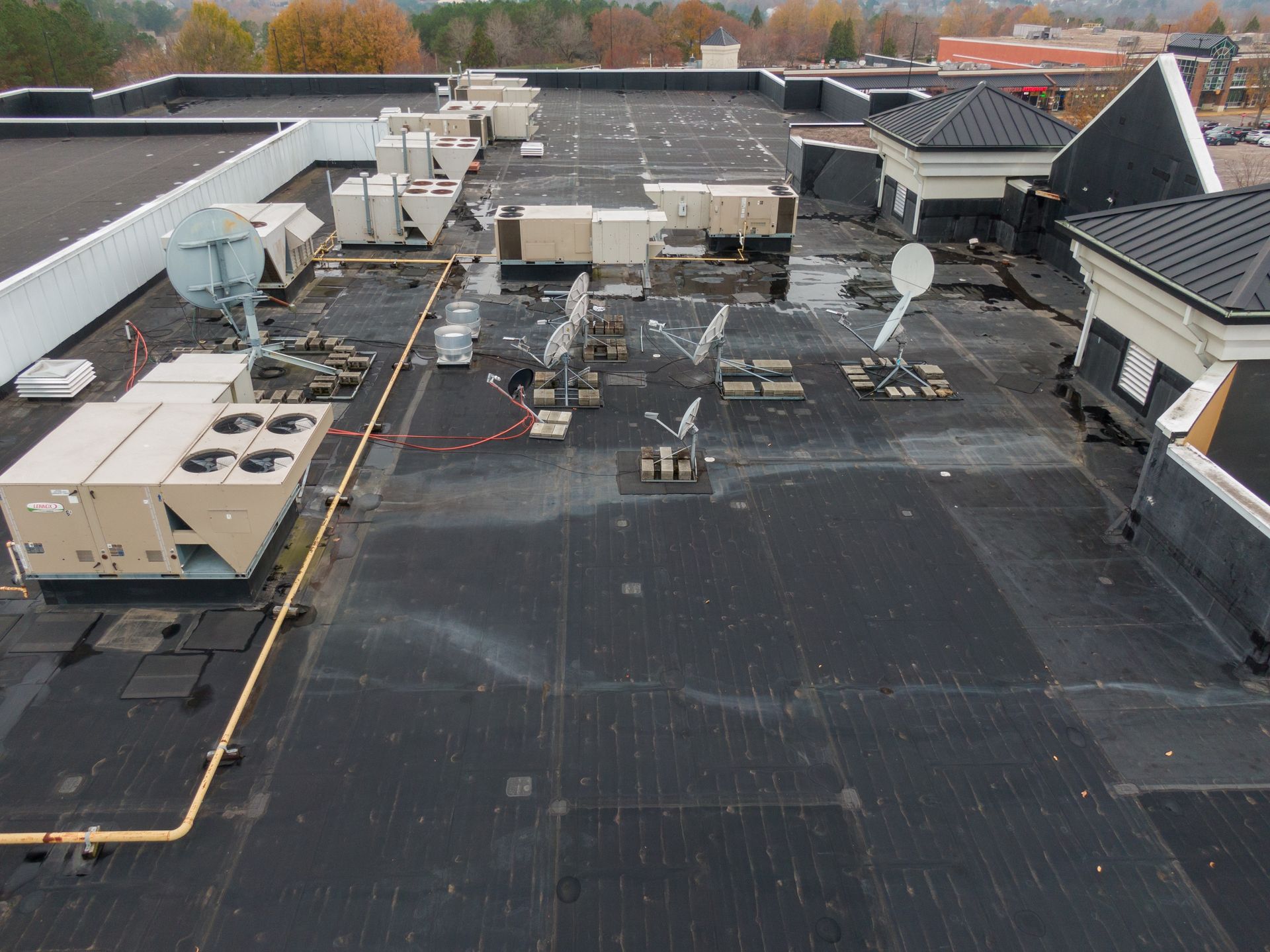
Water pools on flat commercial roofs after every rainstorm, and in Minnesota and Wisconsin that standing water freezes solid for months, expanding and contracting against membrane seams until leaks develop over high-traffic interior spaces. Peak Construction Roofing installs and repairs flat roofing systems designed to handle the prolonged freeze-thaw cycles that destroy standard commercial membranes within a decade. The membrane type and drainage design determine whether your roof sheds water effectively or turns into a shallow pond that accelerates deterioration.
Flat roof installation involves applying waterproof membrane over rigid insulation boards, then sealing all seams and penetrations to create a continuous barrier. The critical decision is whether to use single-ply membranes that are heat-welded at seams or built-up systems that layer asphalt and fabric for redundancy. Drainage must be designed so water flows toward scuppers and drains even when snow melt creates temporary ice dams, because any water that remains on the roof for more than forty-eight hours begins degrading the membrane surface.
Arrange an on-site assessment to evaluate drainage patterns and membrane condition before leaks reach interior spaces.
How Flat Roofing Addresses Ponding Issues
Installation begins with removing the existing membrane and inspecting insulation boards for moisture damage, because wet insulation loses thermal resistance and must be replaced before new membrane is applied. Crews verify that roof drains are clear and properly sloped, then install tapered insulation sections that create pathways for water to flow toward drainage points. The membrane is rolled out in sections, and seams are either welded with heat guns or sealed with adhesive depending on the material selected.
Once the installation is finished, you stop seeing water standing on the roof surface days after rainfall, and interior ceiling tiles no longer show brown stains where leaks previously appeared during heavy weather. The roof surface remains intact through winter because proper insulation placement prevents heat loss that causes snow to melt and refreeze in damaging cycles. Energy costs stabilize because the building envelope no longer loses conditioned air through gaps in deteriorated membrane.
Flat roofing systems require regular inspection of seams and penetrations, particularly around HVAC units and vents where thermal movement creates stress points. Membrane warranties typically require documented maintenance every two years, and minor repairs completed early prevent widespread failures that require full replacement.
Answers to Frequent Service Questions
Building owners usually want to understand material options and maintenance requirements before scheduling flat roof work.
- What material options exist for flat commercial roofs? TPO and EPDM single-ply membranes are common in northern climates because they remain flexible at low temperatures, while modified bitumen systems provide multiple waterproof layers but require heat application during installation. Each material has different seam sealing methods and expected service life depending on exposure to UV radiation and foot traffic from maintenance personnel.
- How is drainage designed on flat roofs? Roof slopes are created using tapered insulation boards that direct water toward internal drains or scuppers along the roof edge. The minimum slope is one-quarter inch per foot, and drainage points are positioned so no section of roof retains standing water for more than two days after precipitation stops.
- What causes flat roofs to fail in in Minnesota or Winsconsin? Ponding water accelerates membrane aging, and freeze-thaw cycles cause seams to separate when water enters small gaps and expands as it freezes. Snow loads also stress the membrane where it attaches to parapet walls, creating tears that allow water infiltration along the building perimeter.
- When should a flat roof be replaced rather than repaired? Replacement is necessary when more than thirty percent of the membrane shows cracking or when insulation beneath the membrane has become saturated with water. Isolated damage from mechanical equipment or punctures can be patched, but widespread degradation means the entire system has reached the end of its functional life.
- How often does flat roofing require maintenance? Inspections should occur twice yearly—once before winter and once after spring thaw—to identify debris accumulation around drains and check seam integrity. Peak Construction Roofing examines all penetrations and flashing during these inspections to catch small issues before they develop into leaks that damage interior finishes and inventory.
Peak Construction Roofing provides comprehensive evaluations of your existing flat roof system, including core samples to assess insulation condition and thermal imaging to identify areas where leaks have already compromised the building envelope. Schedule a building review to determine whether repair or replacement makes sense for your specific roof age and condition.
Ready to Get Started?
Request a Quote
Or Call (218) 728-8033
Contact Us
We will get back to you as soon as possible.
Please try again later.